Insights & Innovations in Automation

Recent thought leadership content.

Factory Automation

Our news & articles

What is Automation in a Factory?

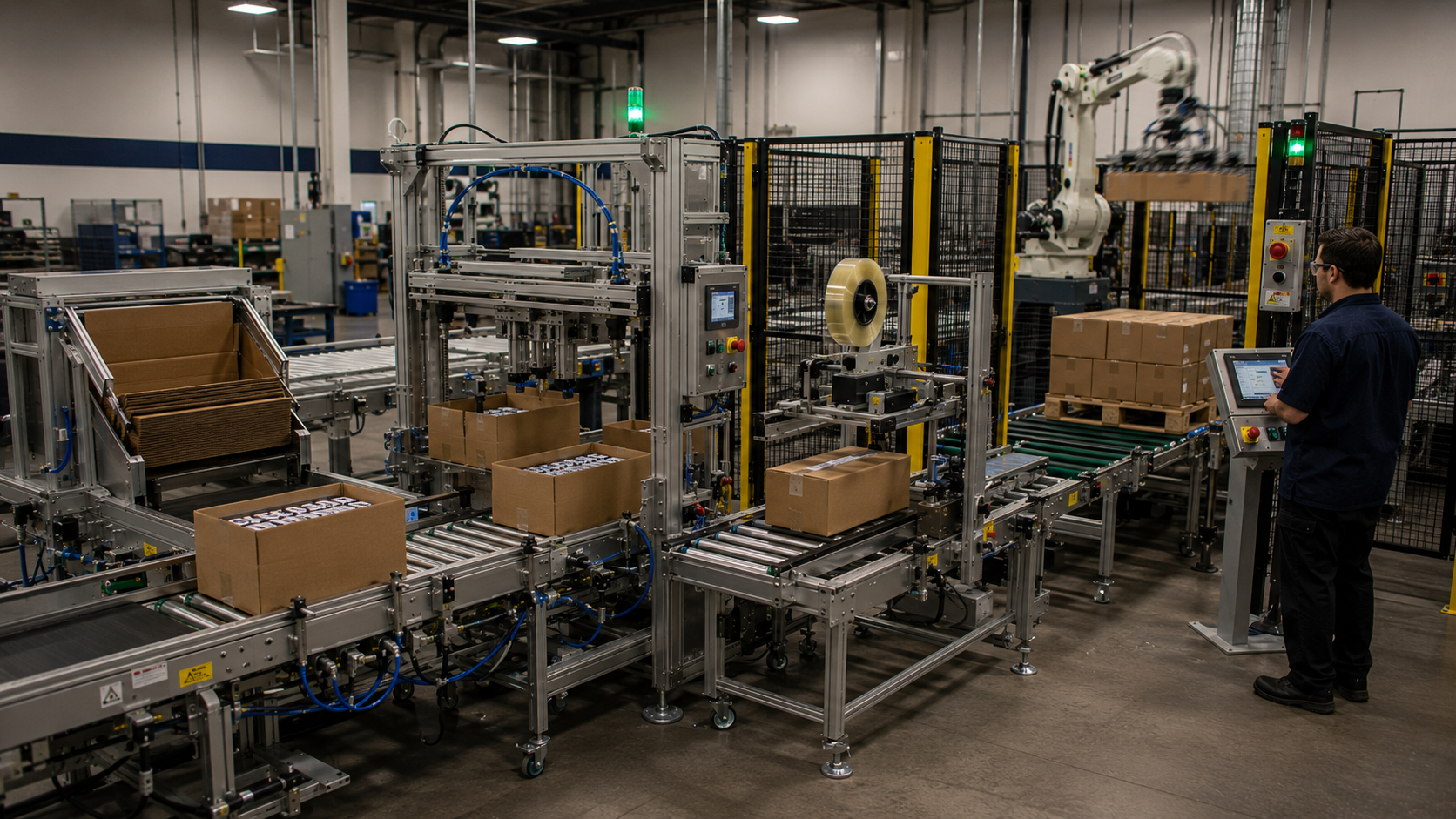
At its core, factory automation involves using machines, robotics, and advanced software to handle tasks that were once performed manually. From the basics of factory automation such as conveyor belts and robotic arms, to the advanced possibilities of autonomous systems powered by artificial intelligence, automation is continuously evolving to meet modern production demands. 

What is an Example of Manufacturing Automation?

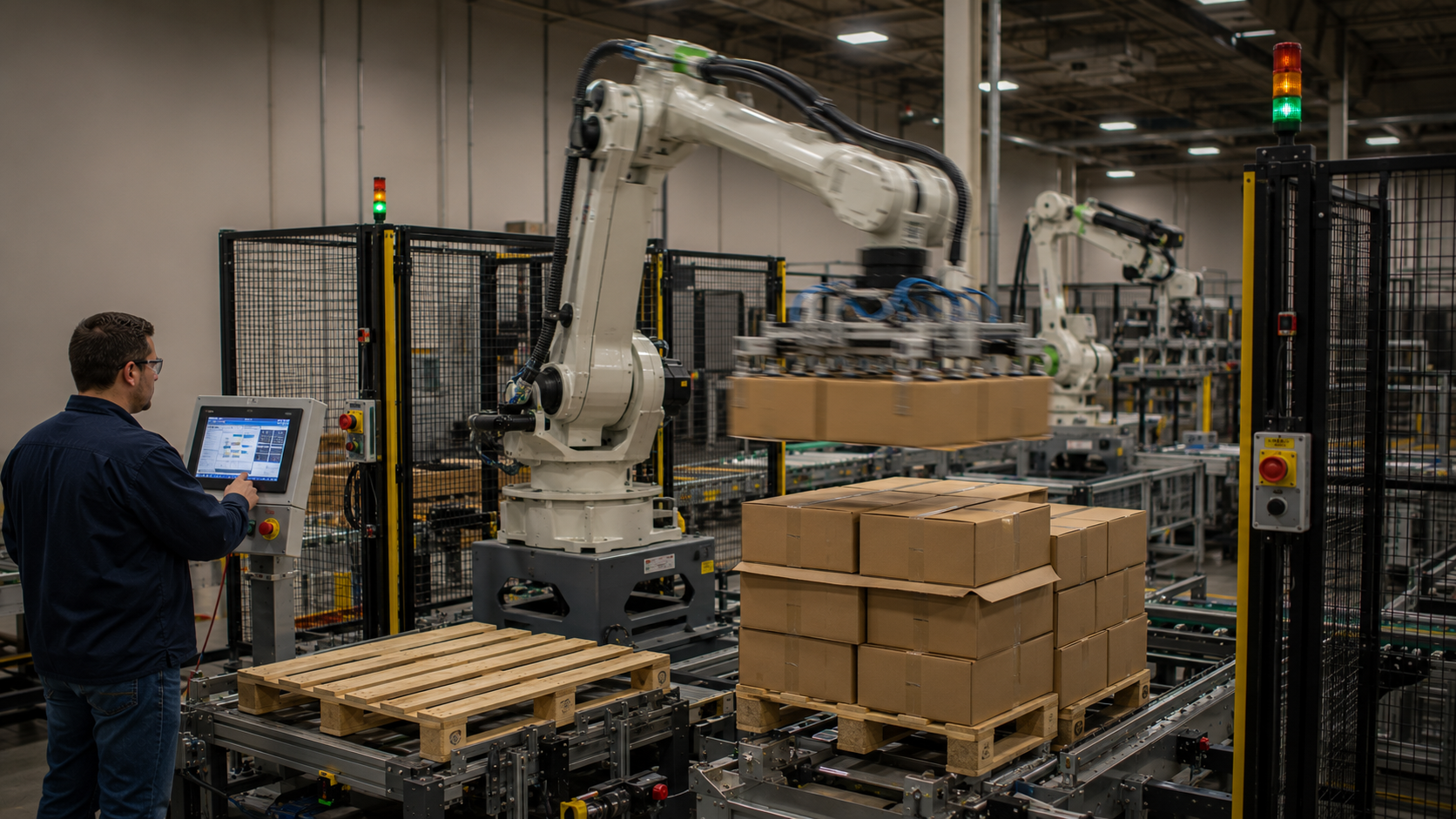
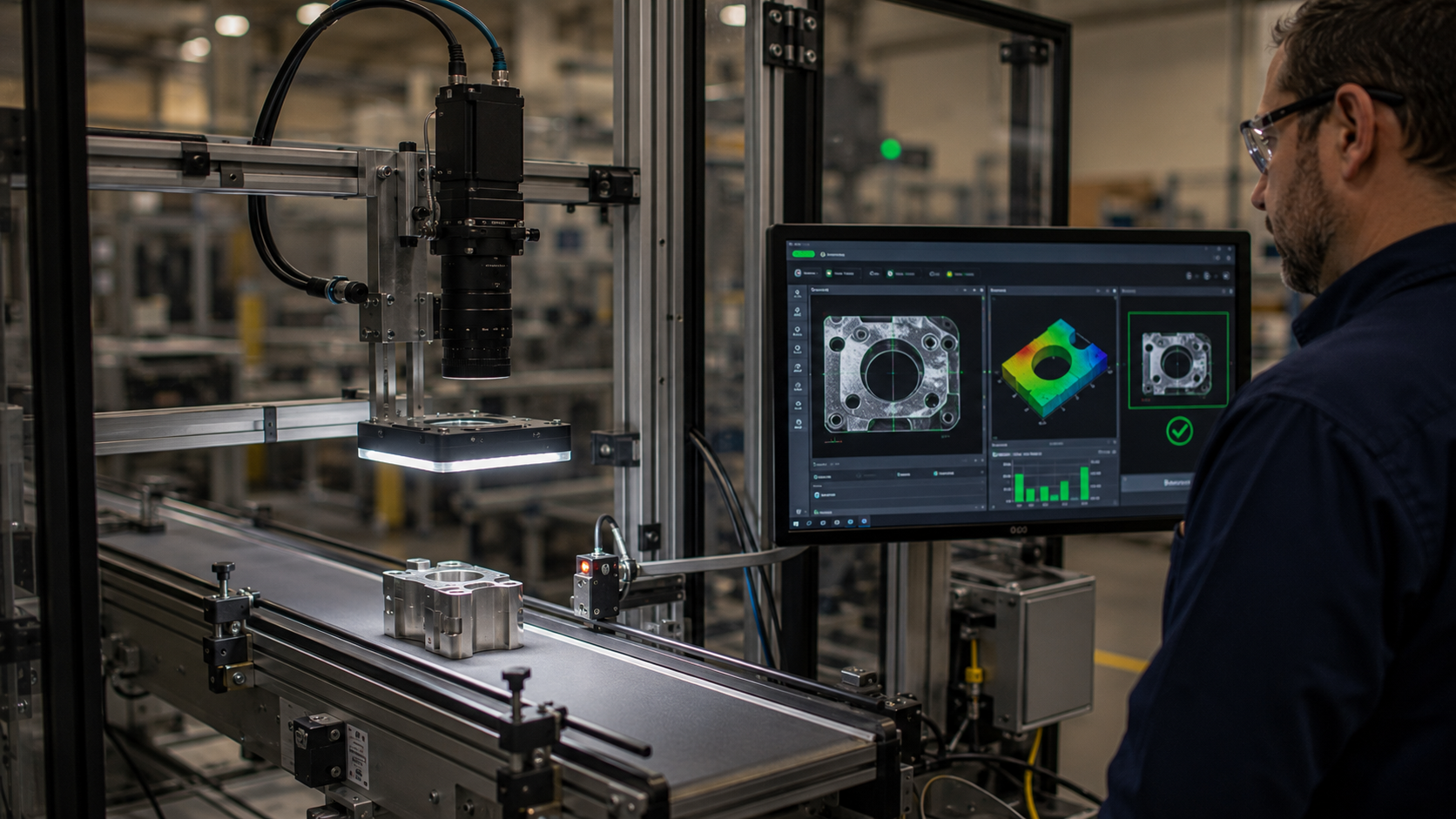
Automation in manufacturing has transformed industries by streamlining processes, enhancing precision, and boosting efficiency like never before. Automation technologies such as robotic arms on assembly lines, automated quality control systems, and AI-powered predictive maintenance are reshaping modern factories by reducing human error, cutting production times, and lowering costs.

What is an Autonomous Factory?

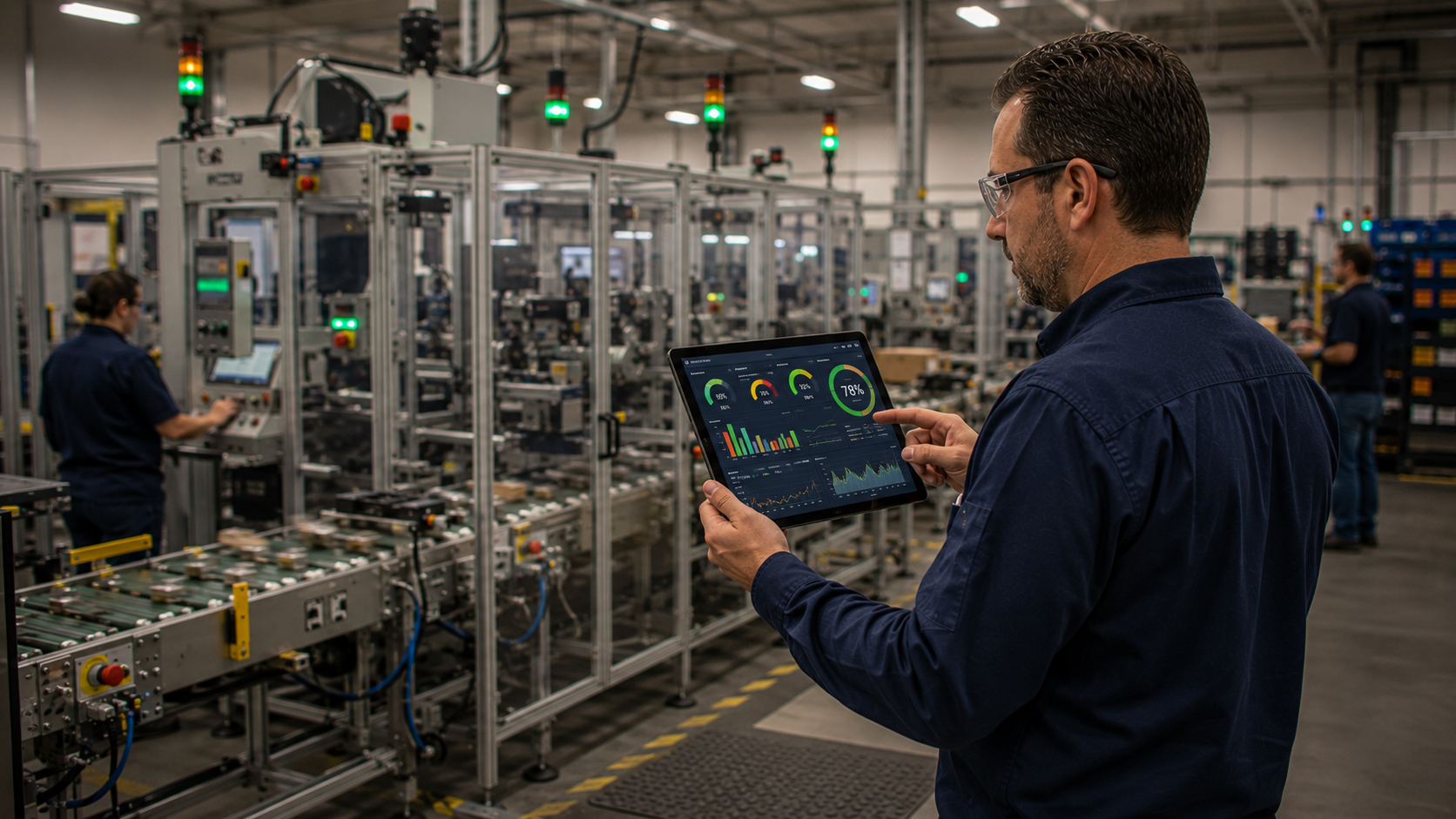
Autonomous factories are at the forefront of factory automation, representing a leap forward in efficiency and adaptability. For example, they utilize AI algorithms for predictive maintenance, detecting and addressing equipment issues before they impact production. Machine learning enhances process optimization, while IoT connects machines to enable seamless communication and data sharing across networks. With automation systems working tirelessly, manufacturers can reduce labor costs, waste, and errors.

What is a Factory Automation System?

Factory automation systems are transforming the manufacturing landscape by bringing efficiency, precision, and innovation to production processes. By integrating advanced technologies, factory automation systems replace many manual tasks with automated solutions, making production faster and more reliable. 

What are the levels of automation in factory operations?

The evolution of industrial technology has completely transformed the manufacturing landscape through Factory automation, enabling systems to streamline operations, boost efficiency, and enhance scalability like never before. By integrating advanced technologies such as IoT, AI, and robotics, factories are now capable of achieving unprecedented levels of precision and productivity. 

What’s the Difference Between Factory Automation and Process Automation?

Automation has become a driving force across industries, streamlining production, improving efficiency, and ensuring consistent quality. But when it comes to industrial settings, two distinct types of automation stand out: factory automation and process automation. Understanding their differences is essential to choosing the right system for your specific needs.

What are the Different Types of Automation?

‍Automation is revolutionizing industries across the globe, transforming the way businesses operate by streamlining processes, reducing costs, and improving overall efficiency. From manufacturing plants using robotics to service sectors implementing advanced software, automation is reshaping how work gets done. With various types of automation systems available - ranging from fixed automation in assembly lines to intelligent, adaptive systems powered by AI - it’s crucial to understand their unique applications and benefits to make the most of their potential. 

What are the Basic Components of an Automated System?

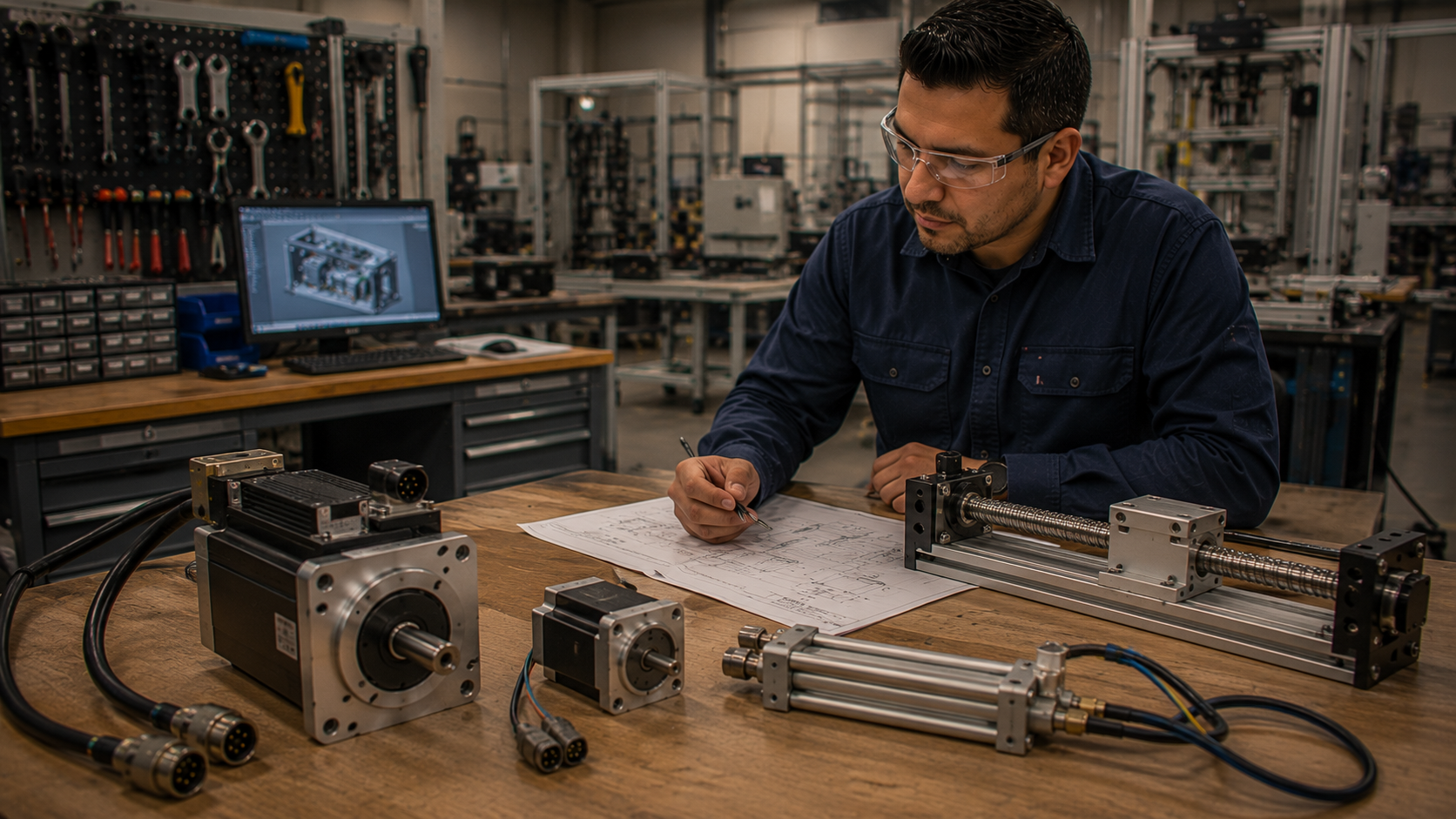
Automation has revolutionized industries from manufacturing to logistics by optimizing operations and increasing efficiency. But what are the basic components of an automated system? - the fundamental elements they rely on to work together to make them function seamlessly? Below, we’ll explore what comprises these systems, how they function, and why they are essential in modern industries.

Let’s Build the Future of Manufacturing Together

If you're looking for a trusted partner to optimize your production processes and unlock new growth opportunities, we’re here to help. Let’s connect and discuss how we can transform your operations with innovative manufacturing and automation solutions.

Lets Connect!
Send Icon