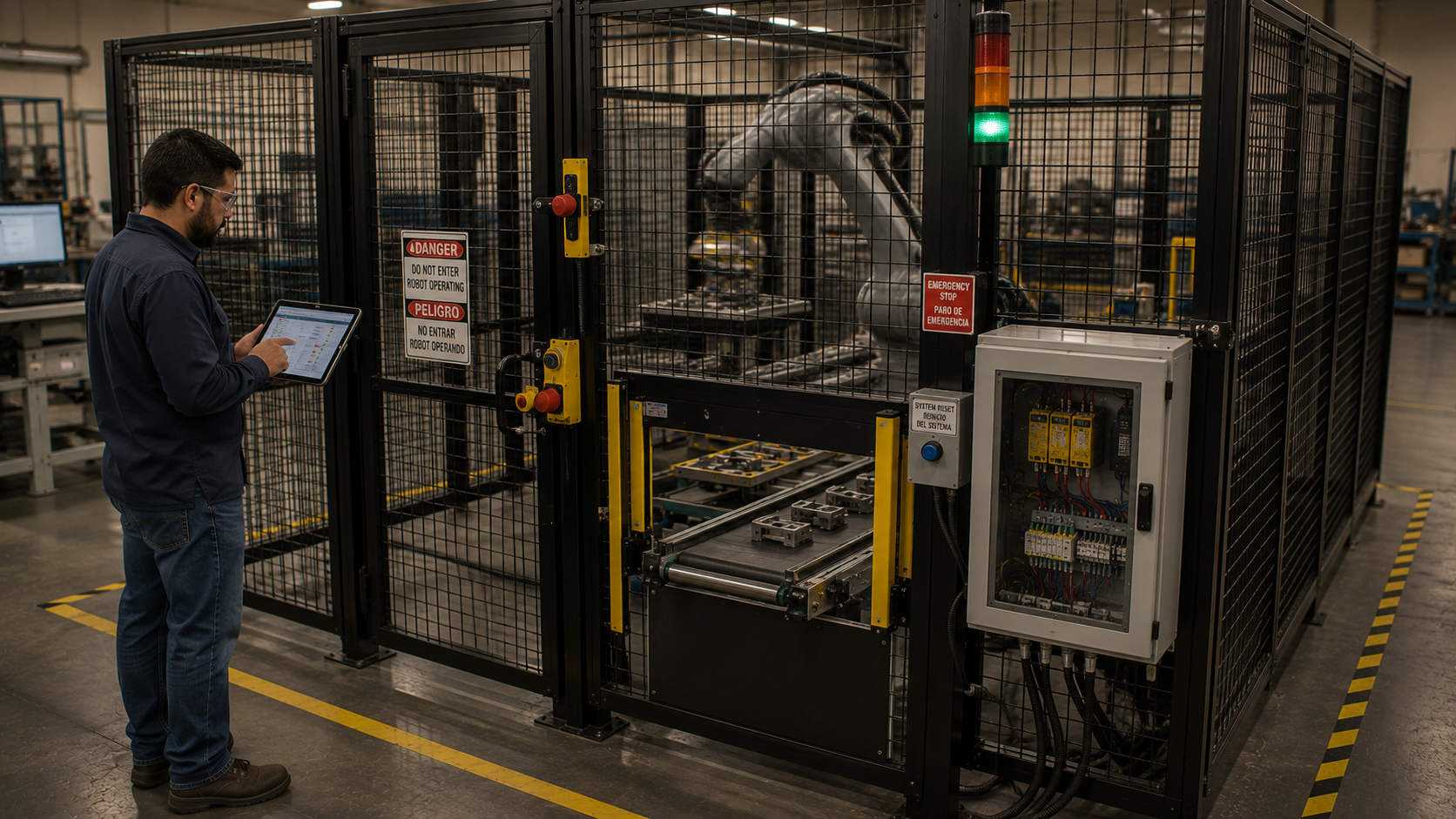
UL 508A is the difference between a panel that will pass an AHJ inspection and one that will get red-tagged. Here is what the certification actually covers — and what it does not.
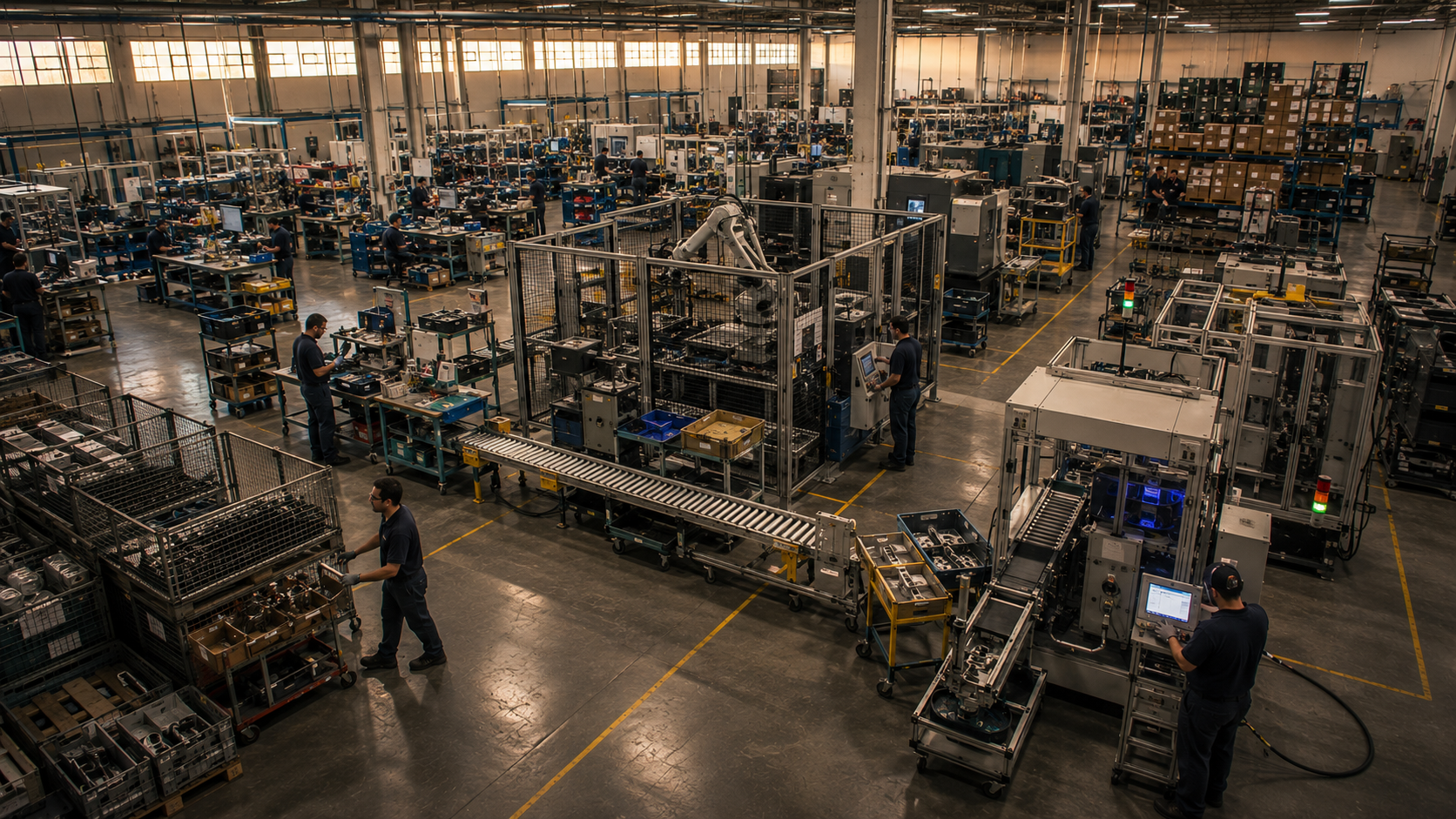
This comprehensive guide explores the pivotal role of factory automation, its evolution, core components, and the technologies driving Industry 4.0. We’ll also look into the benefits, challenges, and real-world applications of manufacturing automation solutions while providing actionable insights for businesses looking to integrate automated production lines into their operations.
The practical benefits of factory automation are far-reaching, touching every aspect of production and operations. Businesses implementing automation typically achieve enhanced efficiency, as automated systems operate faster and more consistently than traditional methods. This leads to significant reductions in human error, ensuring higher-quality products and more reliable outcomes.
For manufacturers, engineers, and plant managers, understanding the benefits of automation is key. Automation boosts efficiency, reduces operational costs, and improves consistency in production. These efficiencies not only help companies scale but also allow them to allocate resources more effectively, focusing on innovation and growth rather than manual processes.
Industrial automation is a transformative force in modern manufacturing, enabling industries worldwide to enhance efficiency and productivity. This advanced field involves the design, development, and implementation of systems that streamline industrial processes. As a core aspect of Factory Automation, it addresses critical challenges such as evolving customer demands and intense global competitiveness.