Insights & Innovations in Automation

Recent thought leadership content.

Factory Automation

Our news & articles

What are the Different Systems Used for Industrial Automation?

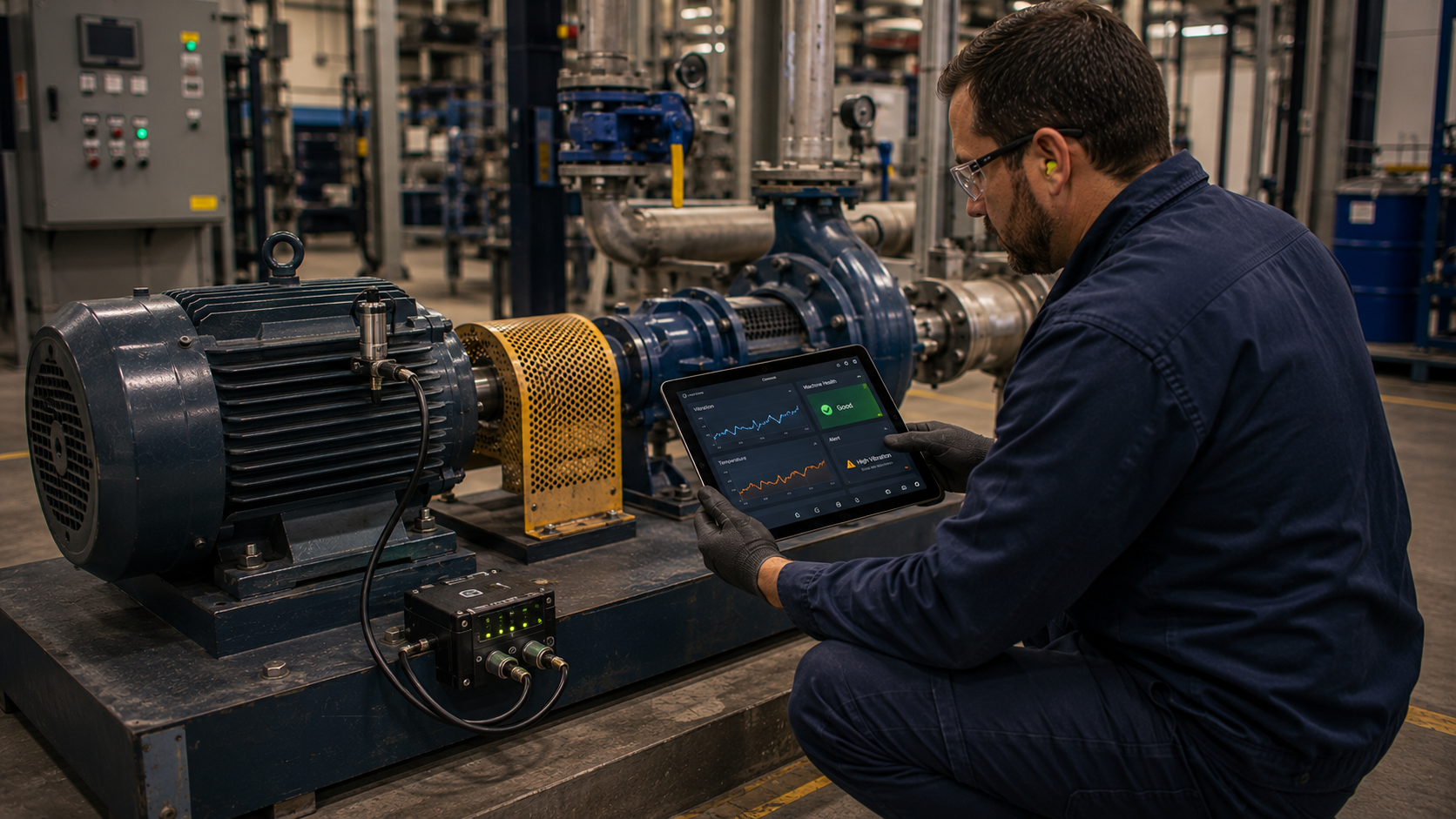
Industrial automation is the cornerstone of modern manufacturing, driving efficiency, precision, and scalability. By automating everything from basic tasks to management of intricate operations, these systems revolutionize how facilities function. ‍But what exactly are industrial automation systems, and how do they work together? In this article, we’ll delve into the various types of automation systems, their key components, and the steps involved in implementing them effectively.

What is an Industrial Automation Company?

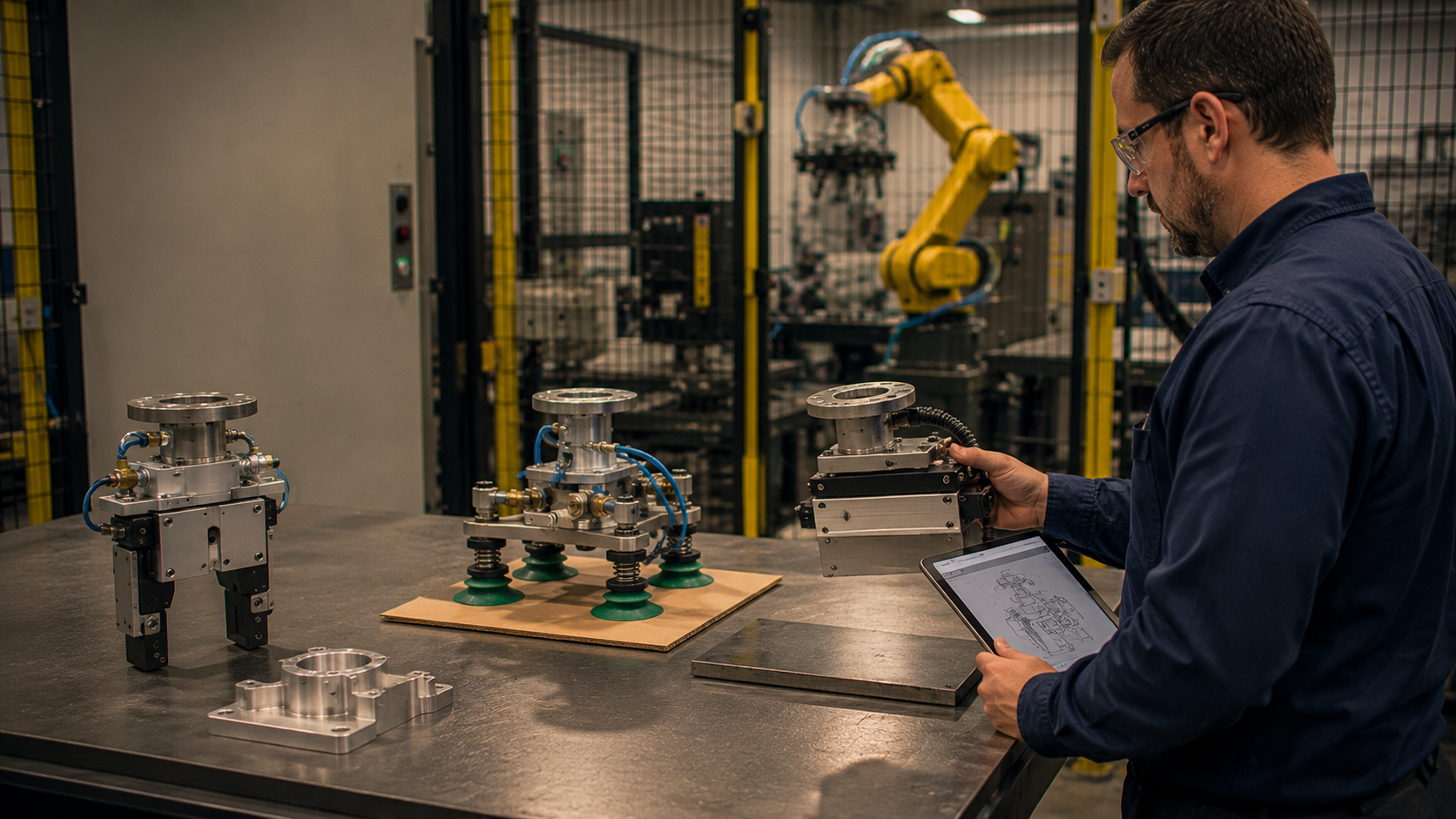
Industrial automation companies are transforming modern production environments both through the deployment of factory automation systems and via process automation. In this article, we’ll define and explore their purpose, examine subsets like warehouse automation, discuss major players in the field, and guide you on how to evaluate the “best” automation partner for your needs.

What Do You Mean by Industrial Automation?

Industrial automation involves the use of advanced technologies such as computers, robotics, and specialized machinery, to perform tasks traditionally handled by humans in industrial settings. By reducing the need for manual intervention, it enhances efficiency, ensures consistent quality, and streamlines production processes. ‍As innovations continue, automation is transforming industries, optimizing operations, and improving workplace safety. Its significance becomes even greater when aligned with factory automation and emerging industrial automation trends, where technologies like the Internet of Things (IoT) and artificial intelligence (AI) are driving smarter and more connected processes.

What is the Meaning of “It’s Automated”?

Automation has completely transformed the way we perform tasks, boosting efficiency and minimizing the need for constant human involvement. From assembling cars to packaging goods, automation is now a crucial part of many industries. But what exactly does "automated" mean, particularly in the context of factories and manufacturing? This article explores the concept in simple terms, breaking it down through relatable examples, key components like sensors and control systems, and the various types of automation systems—such as fixed, programmable, and flexible—that make modern manufacturing possible. 

Let’s Build the Future of Manufacturing Together

If you're looking for a trusted partner to optimize your production processes and unlock new growth opportunities, we’re here to help. Let’s connect and discuss how we can transform your operations with innovative manufacturing and automation solutions.

Lets Connect!
Send Icon