Two systems, two jobs
SCADA (Supervisory Control and Data Acquisition) is real-time process monitoring and control. It watches what the equipment is doing right now, logs data, and lets operators intervene.
MES (Manufacturing Execution System) is production management. It tracks what work is in process, what has been produced, what quality outcomes were achieved, and how those results connect to orders, materials, and people.
The two systems overlap at the shop-floor data layer. Both consume PLC data. Both display dashboards. Both send alerts. The difference is what they do with that data.
SCADA does control-loop things
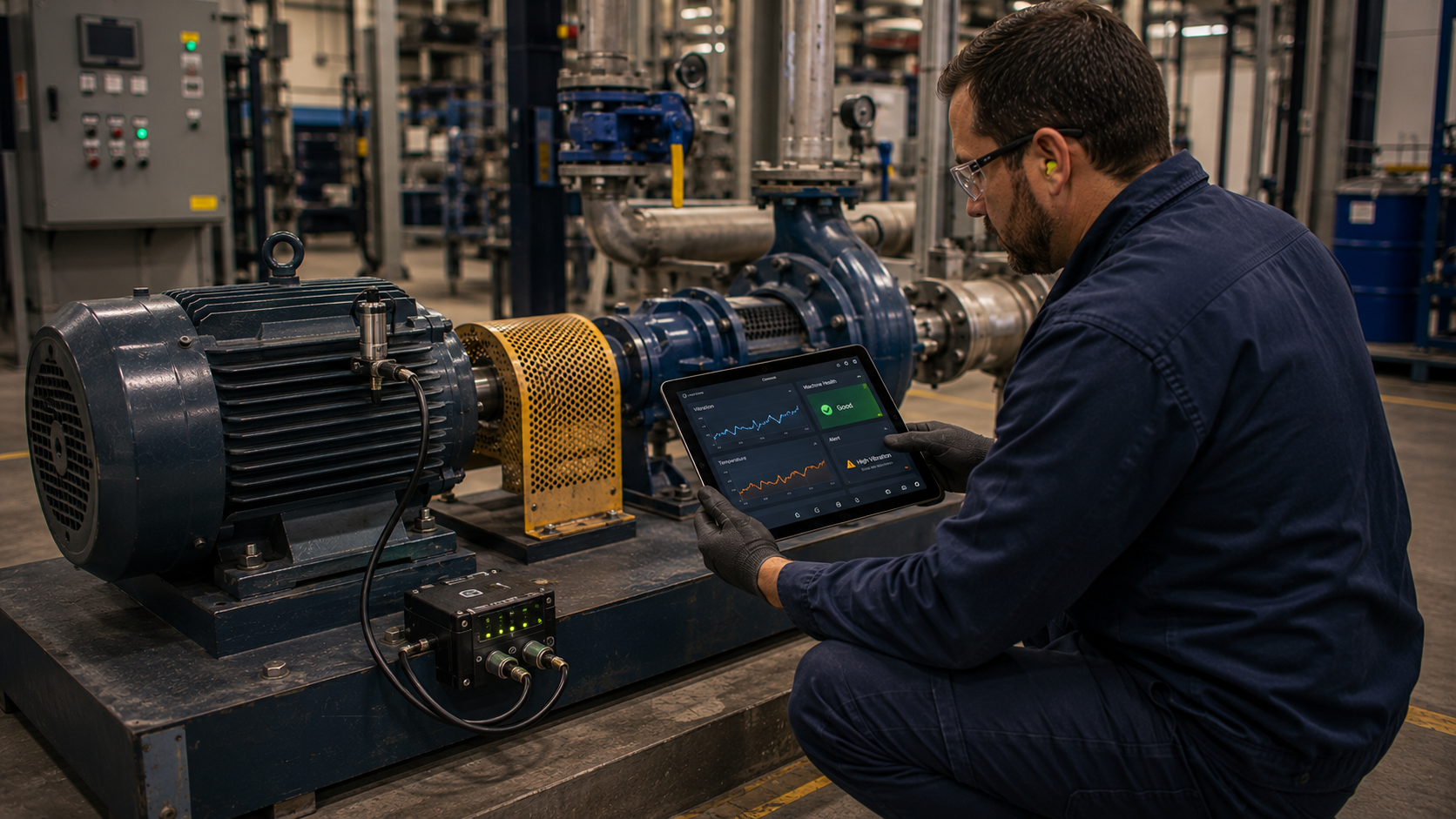
- Real-time monitoring of process variables (temperatures, pressures, flows, machine states)
- Alarm management for out-of-spec conditions
- Operator HMI for intervention
- Historian storage of time-series data
- Simple reporting on process performance
SCADA is the system your maintenance and operations team uses to run the equipment. It is essential in continuous-process industries and increasingly in discrete manufacturing.
MES does production-management things
- Work order tracking (which units are at which station)
- Genealogy (which raw materials went into which finished good, which operators handled which units)
- Quality data collection and correlation to process conditions
- OEE (Overall Equipment Effectiveness) calculation
- Integration with ERP for order and inventory sync
- Compliance documentation for regulated industries
MES is the system your operations manager, quality manager, and production planner use to run the business of manufacturing.
Where they overlap
Both systems collect data from the same PLCs, sensors, and equipment. Both can produce shop-floor dashboards. Both can trigger alerts. The overlap is real, and vendors on both sides push their platform to expand into the other's territory.
Modern SCADA platforms (Ignition, Wonderware, iFIX) increasingly offer production tracking modules that overlap with MES. Modern MES platforms (Rockwell FactoryTalk PharmaSuite, GE Proficy, Siemens Opcenter) offer real-time monitoring that overlaps with SCADA.
Which one you need first
If your problem is unplanned downtime, quality drift, or process variability that you cannot diagnose — you need SCADA and process historian data before MES will help you.
If your problem is missing production dates, difficulty tracking WIP, inability to correlate quality outcomes to specific batches or operators, or manual paper-based production records — you need MES before SCADA data will help you.
Most operations need both eventually. Sequence matters. Do not invest in MES if your SCADA fundamentals are not in place; the MES will just automate the reporting of a broken process.
The practical takeaway
MES and SCADA are complementary, not competitive. Understand which one solves your binding constraint before you commit capital. The vendors will happily sell you either or both; your job is to know which one moves the needle for your operation.
DP Gayatri and Automation Services Inc. spec and integrate both SCADA and MES for industrial operations across the upper Midwest. If you are early in a manufacturing systems investment and want a vendor-neutral view on sequencing, that is the work we do.
.webp)

%20(37).png)