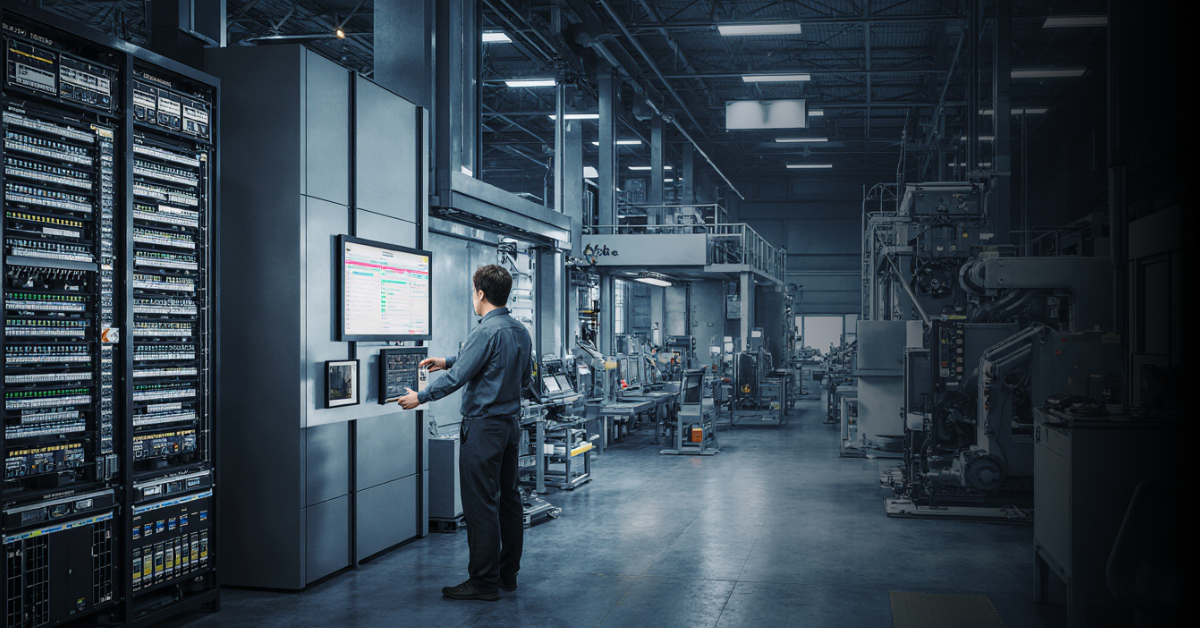
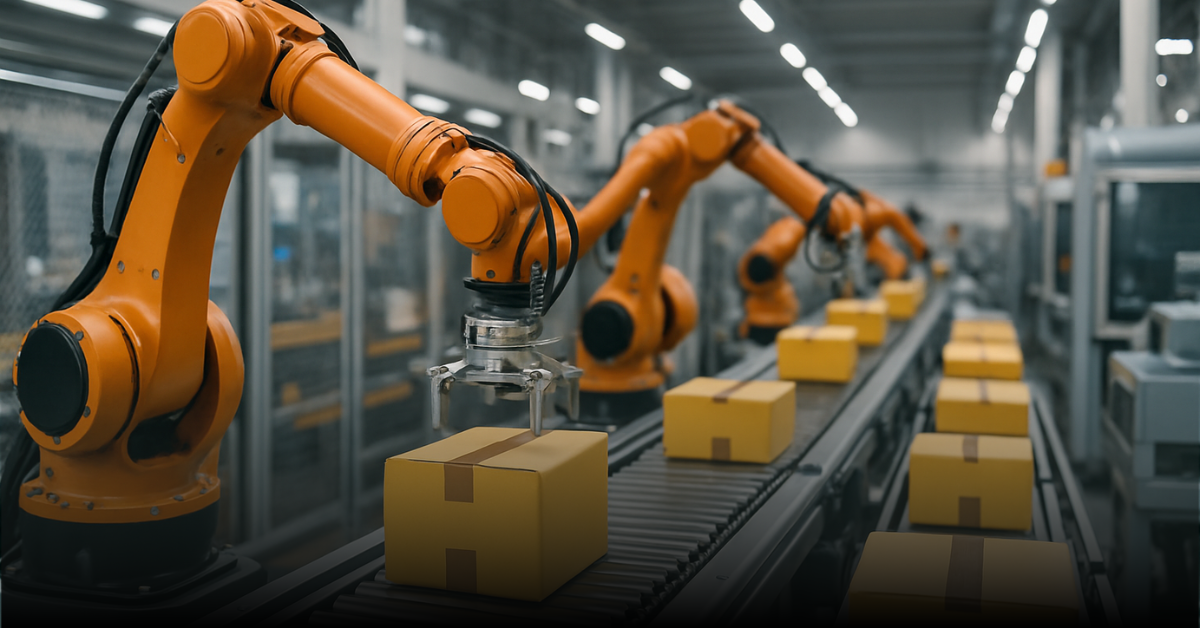
Positioned within today’s fast-moving markets, contract assembly serves as a strategic tool, helping manufacturers improve scalability while maintaining focus on their own strengths such as product innovation and customer engagement.
// INSIGHTS
The manufacturing landscape is changing fast—tariff pressures, persistent labor gaps, and expanding AI adoption are reshaping how products get made. In this environment, outsourcing to specialized assembly providers delivers more than cost control; it builds resilience. By partnering with experts, companies streamline workflows, reduce overhead, and accelerate time-to-market without sacrificing reliability.
Embracing strategic assembly outsourcing and optimizing contract manufacturing assembly processes are essential steps for navigating global supply chain challenges and achieving scalable production. Understanding the nuances of turnkey assembly services and other models is crucial for building resilient and cost-effective manufacturing operations.
Industrial automation is the cornerstone of modern manufacturing, driving efficiency, precision, and scalability. By automating everything from basic tasks to management of intricate operations, these systems revolutionize how facilities function. But what exactly are industrial automation systems, and how do they work together? In this article, we’ll delve into the various types of automation systems, their key components, and the steps involved in implementing them effectively.
Automation has completely transformed the way we perform tasks, boosting efficiency and minimizing the need for constant human involvement. From assembling cars to packaging goods, automation is now a crucial part of many industries. But what exactly does "automated" mean, particularly in the context of factories and manufacturing? This article explores the concept in simple terms, breaking it down through relatable examples, key components like sensors and control systems, and the various types of automation systems—such as fixed, programmable, and flexible—that make modern manufacturing possible.
Industrial automation involves the use of advanced technologies such as computers, robotics, and specialized machinery, to perform tasks traditionally handled by humans in industrial settings. By reducing the need for manual intervention, it enhances efficiency, ensures consistent quality, and streamlines production processes. As innovations continue, automation is transforming industries, optimizing operations, and improving workplace safety. Its significance becomes even greater when aligned with factory automation and emerging industrial automation trends, where technologies like the Internet of Things (IoT) and artificial intelligence (AI) are driving smarter and more connected processes.
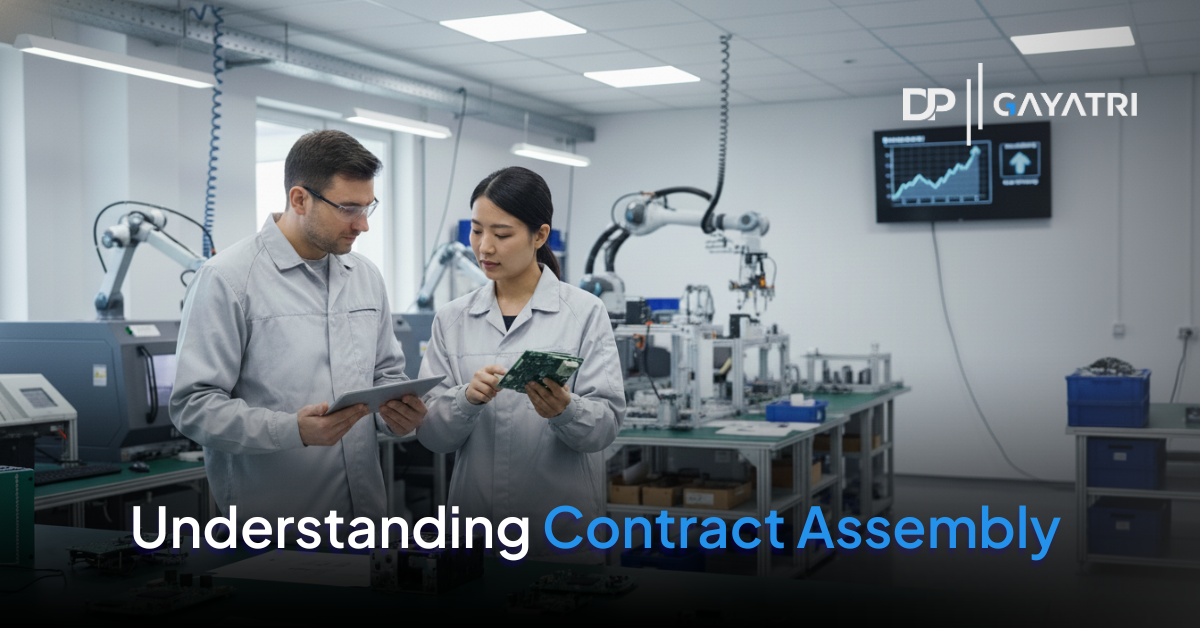
Industrial automation companies are transforming modern production environments both through the deployment of factory automation systems and via process automation. In this article, we’ll define and explore their purpose, examine subsets like warehouse automation, discuss major players in the field, and guide you on how to evaluate the “best” automation partner for your needs.
Automation has revolutionized industries from manufacturing to logistics by optimizing operations and increasing efficiency. But what are the basic components of an automated system? - the fundamental elements they rely on to work together to make them function seamlessly? Below, we’ll explore what comprises these systems, how they function, and why they are essential in modern industries.